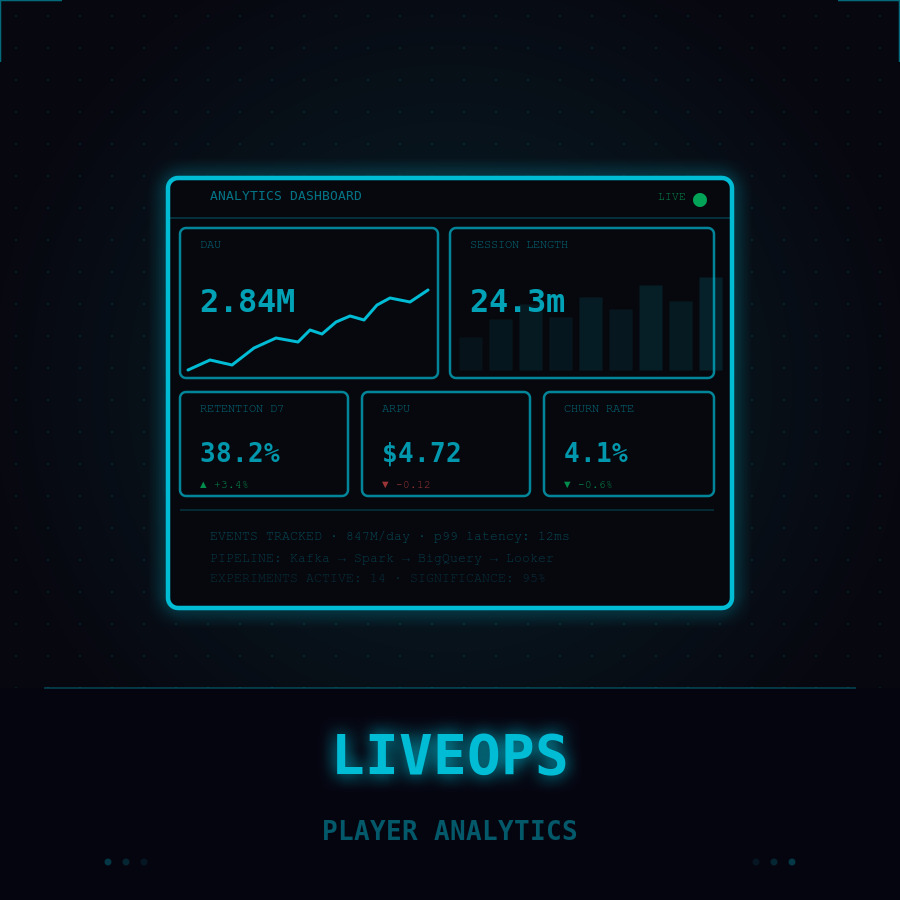
Custom Telemetry Events: Tracking Tutorial Completion Funnels is an original Games Gokul guide for game developers, studio founders, product leads, community teams, and gaming strategy readers watching how gaming and software products are changing in 2026.
The core idea is simple: designing analytics tracking for individual tutorial steps to pinpoint where new users experience confusion and close the client. Instead of repeating broad industry noise, this blog connects the trend to a concrete decision: How does the trend around custom telemetry event game change the next game release?
Why This Trend Matters in 2026
Custom Telemetry Events: Tracking Tutorial Completion Funnels matters because players are more selective about attention, trust, performance, and value. The practical tension is between tutorial completion funnel as a visibility opportunity and player behavior tracking as an execution challenge.
The topic belongs in LiveOps and Player Analytics, but it also affects the store page, trailer, demo, community post, and patch notes. A strong page should make the user benefit obvious before it asks search engines, creators, or communities to reward the topic.
- Define the user promise behind the custom telemetry event game topic before choosing tools or channels.
- Turn tutorial completion funnel into one measurable release outcome instead of a vague marketing claim.
- Test how real players respond before scaling the idea across every page or platform.
Search Intent and SEO Keywords
Search intent around custom telemetry event game, tutorial completion funnel, and player behavior tracking is practical. Readers want to know what is changing, why it matters now, and what a small team can actually do next.
The page should answer two specific questions: How should a studio explain tutorial completion funnel without sounding generic? and what action should happen after reading? That helps the article serve both human readers and generative search systems looking for clear entities and useful summaries.
- Use the phrase custom telemetry event game in the title, slug, opening paragraph, and article schema.
- Use tutorial completion funnel and player behavior tracking in supporting headings, image alt text, and related internal links.
- Keep the description readable; keyword stuffing weakens trust and makes snippets feel robotic.
Product Strategy for Builders
The best response is to turn the trend into a decision system. For this game, that means naming the audience, identifying the moment where the trend changes behavior, and choosing the smallest release that proves the point.
A smaller studio should not copy a giant competitor. It should pick a narrow angle, polish the promise, and show proof through the store page, trailer, demo, community post, and patch notes so visitors understand why the topic belongs on the site.
- Write one sentence that explains how this custom telemetry event game trend improves the user journey.
- Assign ownership for design, engineering, analytics, support, and content updates.
- Publish a follow-up note when the team learns something new from players.
User Experience and Trust
Players judge trends through the product experience. If tutorial completion funnel creates confusion, lag, unfairness, inaccessible flows, or unclear expectations, the trend label will not save it.
Trust improves through fair progression, readable controls, creator-safe presentation, and stable performance. The user should always know what changed, why it matters, and how to recover if the feature or content path does not fit their needs.
- Show users what is happening before asking them to commit time, money, or data.
- Offer settings, fallback paths, and clear recovery options where player behavior tracking creates risk.
- Measure frustration signals, not only successful clicks, purchases, or conversions.
Technical and Workflow Considerations
The technical plan should stay lightweight but deliberate. The workflow needs to capture footage, tune builds, QA device profiles, and prepare player support macros, because a trending article only helps if the product experience can support the attention it creates.
For the website, that means clean HTML, structured data, fast images, accurate sitemaps, and no accidental duplicate URLs. For the product itself, it means testing the real paths users take instead of only the happy-path demo.
- Document the workflow so future updates do not depend on memory.
- Test the experience behind custom telemetry event game on the devices, networks, accounts, regions, and roles that matter most.
- Keep analytics privacy-aware and focused on decisions the team can actually act on.
Metrics to Watch
Useful metrics for this topic include retention, session length, cohort movement, store conversion, and churn signals. The exact dashboard matters less than whether the team can interpret the numbers and change behavior.
A spike in wishlists or installs is weak if sessions are short, sentiment is negative, or support tickets expose confusion. The goal is not to make the graph look busy; it is to confirm that the custom telemetry event game strategy improves a real journey.
- Pair quantitative metrics with community comments, support notes, and QA findings.
- Compare new-user behavior with returning-user behavior so averages do not hide tutorial completion funnel problems.
- Review the topic after the next release, not only during launch week.
Common Mistakes to Avoid
The biggest mistake is treating a trend as a shortcut. Trends create attention, but execution creates retention. If the product promise is unclear, a trending keyword only brings the wrong visitors faster.
Another mistake is copying competitors too literally. Original positioning is stronger when it reflects the team's actual game, audience, constraints, and voice. For this topic, the safest question is whether player behavior tracking genuinely helps users or only sounds modern.
- Do not publish a page that repeats the same generic LiveOps and Player Analytics advice users can find anywhere.
- Do not add AI, monetization, analytics, or platform features without a user-facing reason tied to the custom telemetry event game promise.
- Do not ignore older pages; update internal links and sitemaps so the whole site supports discovery.
Final Takeaway
Bottom line: Custom Telemetry Events: Tracking Tutorial Completion Funnels is valuable when it becomes a focused product decision, not just a buzzword. Use the trend to clarify the promise, improve the user journey, and publish content that search engines can understand.
For Games Gokul, the bigger lesson is consistent: playful ideas and serious engineering work best when every blog post, game page, and software product gives users a clear reason to trust the next click.