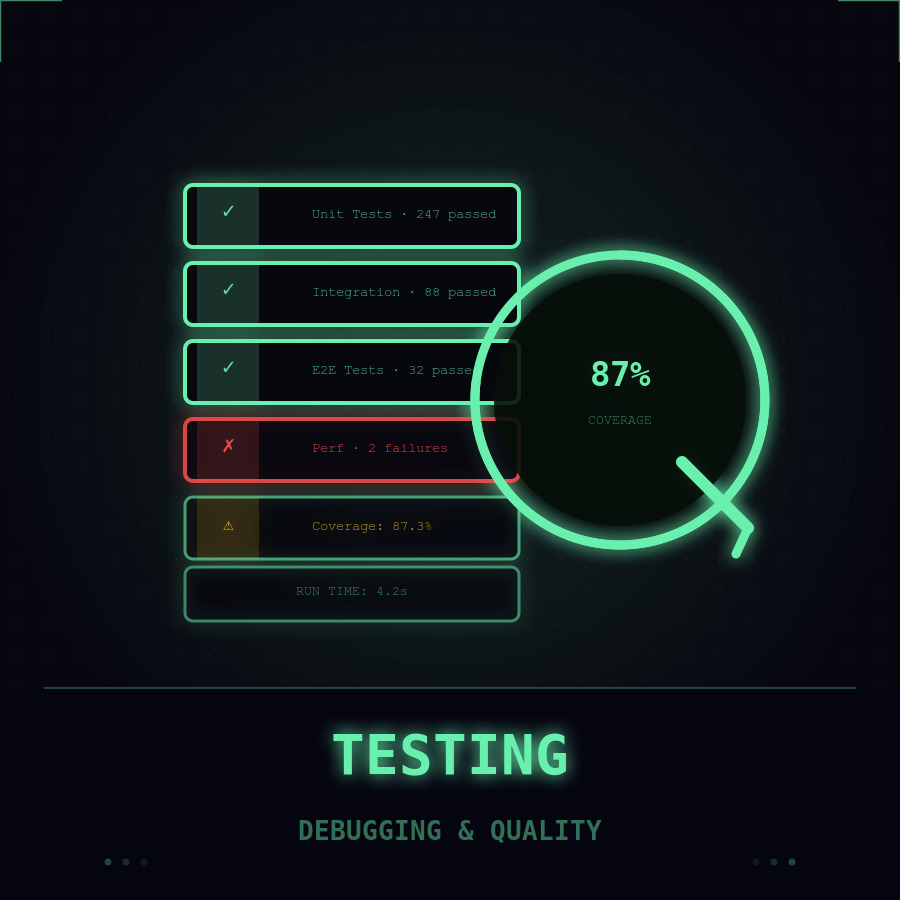
Automated Bug Detection: Using AI-Driven Testing Frameworks Effectively sits at the center of a major shift in how digital products are discovered, built, and sustained. For technology and gaming enthusiasts, this is more than a trend headline; it is a practical question about product strategy, user value, and long-term execution.
The sections below focus on practical decisions teams can apply to product strategy, user experience, and release execution.
Market Reality Check
The strongest teams align product strategy, technical execution, and user experience in one coherent delivery model.
The practical lens for Automated Bug Detection: Using AI-Driven Testing Frameworks Effectively is simple: reduce friction, increase clarity, and ship measurable improvements that users can feel in the first session.
Strong SEO comes from matching search intent with clear, useful answers to real user questions.
- Treat this area as a deliberate product decision, not an afterthought.
- Track user behavior by segment, then tune onboarding and progression based on how different audiences actually use the product.
- Ship improvements in short cycles so each release around Automated Bug Detection: Using AI-Driven Testing Frameworks Effectively has measurable impact.
What This Means for Players and Builders
Automated Bug Detection: Using AI-Driven Testing Frameworks Effectively now shapes roadmap planning across web, Android, iOS, Windows, Linux, and macOS products.
A winning approach combines design discipline with technical depth, especially when teams must support puzzle, arcade, strategy, and simulation audiences with different motivation patterns.
Strong teams document assumptions early, validate them with telemetry, and then convert insights into low-risk iterations instead of giant one-shot rewrites.
- Treat this area as a deliberate product decision, not an afterthought.
- Track user behavior by segment, then tune onboarding and progression based on how different audiences actually use the product.
- Ship improvements in short cycles so each release around Automated Bug Detection: Using AI-Driven Testing Frameworks Effectively has measurable impact.
Technology Stack and Platform Decisions
When we evaluate Automated Bug Detection: Using AI-Driven Testing Frameworks Effectively, the strongest signal is how quickly user expectations evolve around performance, fairness, and always-on experiences across Google Play and desktop channels.
Recent product cycles show that teams treating Automated Bug Detection: Using AI-Driven Testing Frameworks Effectively as an operating principle, not a one-time feature, outperform competitors in both engagement and release velocity.
Execution quality matters most when budgets are tight and users still expect a polished, dependable experience.
- Treat this area as a deliberate product decision, not an afterthought.
- Track user behavior by segment, then tune onboarding and progression based on how different audiences actually use the product.
- Ship improvements in short cycles so each release around Automated Bug Detection: Using AI-Driven Testing Frameworks Effectively has measurable impact.
Monetization, Trust, and Long-Term Retention
For founders and developers, Automated Bug Detection: Using AI-Driven Testing Frameworks Effectively matters because it connects product choices with retention, monetization quality, and brand trust in a market crowded by fast-moving alternatives.
Strong SEO comes from matching search intent with clear, useful answers to real user questions.
The strongest teams align product strategy, technical execution, and user experience in one coherent delivery model.
- Treat this area as a deliberate product decision, not an afterthought.
- Track user behavior by segment, then tune onboarding and progression based on how different audiences actually use the product.
- Ship improvements in short cycles so each release around Automated Bug Detection: Using AI-Driven Testing Frameworks Effectively has measurable impact.
Execution Blueprint for Fast-Moving Teams
The practical lens for Automated Bug Detection: Using AI-Driven Testing Frameworks Effectively is simple: reduce friction, increase clarity, and ship measurable improvements that users can feel in the first session.
Strong teams document assumptions early, validate them with telemetry, and then convert insights into low-risk iterations instead of giant one-shot rewrites.
Automated Bug Detection: Using AI-Driven Testing Frameworks Effectively now shapes roadmap planning across web, Android, iOS, Windows, Linux, and macOS products.
- Treat this area as a deliberate product decision, not an afterthought.
- Track user behavior by segment, then tune onboarding and progression based on how different audiences actually use the product.
- Ship improvements in short cycles so each release around Automated Bug Detection: Using AI-Driven Testing Frameworks Effectively has measurable impact.
Common Mistakes and How to Avoid Them
A winning approach combines design discipline with technical depth, especially when teams must support puzzle, arcade, strategy, and simulation audiences with different motivation patterns.
Execution quality matters most when budgets are tight and users still expect a polished, dependable experience.
When we evaluate Automated Bug Detection: Using AI-Driven Testing Frameworks Effectively, the strongest signal is how quickly user expectations evolve around performance, fairness, and always-on experiences across Google Play and desktop channels.
- Treat this area as a deliberate product decision, not an afterthought.
- Track user behavior by segment, then tune onboarding and progression based on how different audiences actually use the product.
- Ship improvements in short cycles so each release around Automated Bug Detection: Using AI-Driven Testing Frameworks Effectively has measurable impact.
SEO, Distribution, and Community Flywheels
Recent product cycles show that teams treating Automated Bug Detection: Using AI-Driven Testing Frameworks Effectively as an operating principle, not a one-time feature, outperform competitors in both engagement and release velocity.
The strongest teams align product strategy, technical execution, and user experience in one coherent delivery model.
For founders and developers, Automated Bug Detection: Using AI-Driven Testing Frameworks Effectively matters because it connects product choices with retention, monetization quality, and brand trust in a market crowded by fast-moving alternatives.
- Treat this area as a deliberate product decision, not an afterthought.
- Track user behavior by segment, then tune onboarding and progression based on how different audiences actually use the product.
- Ship improvements in short cycles so each release around Automated Bug Detection: Using AI-Driven Testing Frameworks Effectively has measurable impact.
Final Takeaway for 2026 and Beyond
Strong SEO comes from matching search intent with clear, useful answers to real user questions.
Automated Bug Detection: Using AI-Driven Testing Frameworks Effectively now shapes roadmap planning across web, Android, iOS, Windows, Linux, and macOS products.
The practical lens for Automated Bug Detection: Using AI-Driven Testing Frameworks Effectively is simple: reduce friction, increase clarity, and ship measurable improvements that users can feel in the first session.
- Treat this area as a deliberate product decision, not an afterthought.
- Track user behavior by segment, then tune onboarding and progression based on how different audiences actually use the product.
- Ship improvements in short cycles so each release around Automated Bug Detection: Using AI-Driven Testing Frameworks Effectively has measurable impact.
Conclusion
Bottom line: Automated Bug Detection: Using AI-Driven Testing Frameworks Effectively becomes valuable when teams turn insight into clear product decisions. If you build for real users, iterate with evidence, and align product goals with technical realities, you can win across Android, iOS, Google Play, and desktop platforms without diluting quality.