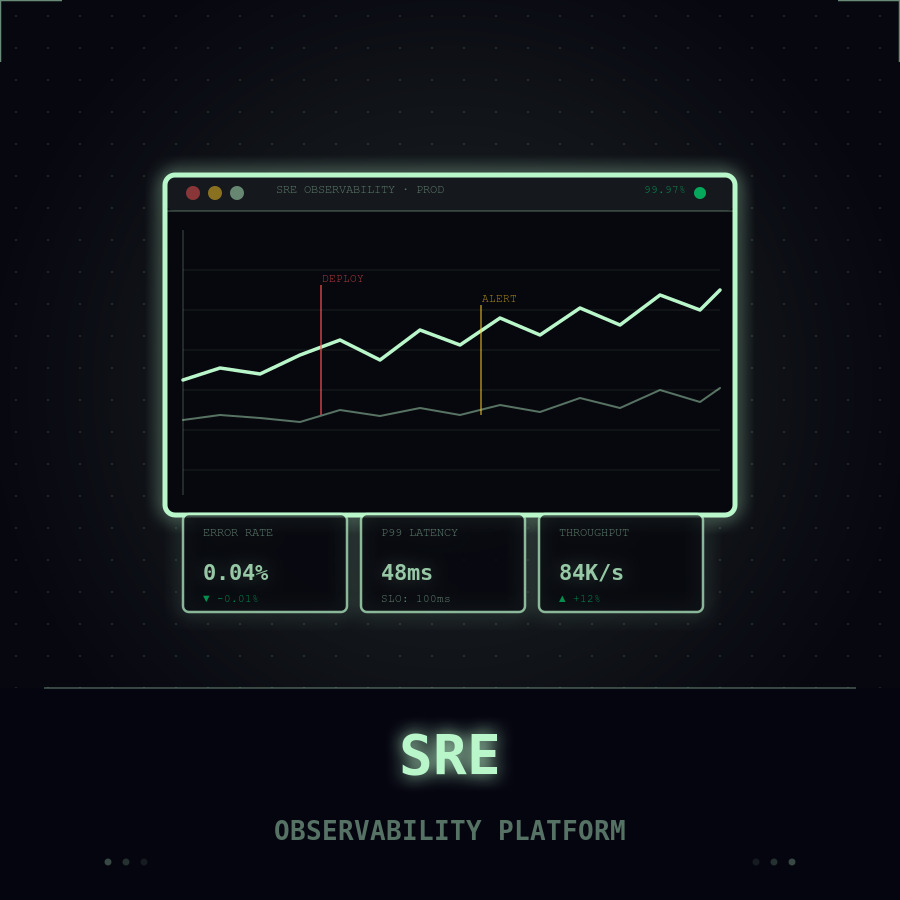
Multiplayer Queue Transparency During Launch Surges gives product teams a practical way to respond as visible queue estimates, incident notes, and retry guidance reduce frustration when launch-day demand exceeds backend expectations. The opportunity is to connect strategy, production, and SEO before the market becomes too crowded.
This article is written as original Games Gokul content for July 2026 and beyond. It uses the target keywords multiplayer queue transparency, launch surge reliability, and game SRE communication naturally while keeping the advice tied to real gaming and software product work.
Recent Signal Behind the Trend
The current signal around multiplayer queue transparency is visible in how customers evaluate trust before committing. They compare labels, screenshots, device fit, support promises, price, performance, and whether the team seems ready to maintain this exact experience after launch.
For Multiplayer Queue Transparency During Launch Surges, the trend is especially useful when it changes the first decision a visitor makes in the SRE and Observability category: whether to download, wishlist, trial, buy, subscribe, integrate, or ask for human help.
- Use multiplayer queue transparency as the primary phrase for titles, slugs, and opening copy.
- Support it with launch surge reliability when explaining the audience problem.
- Use game SRE communication in headings, alt text, related posts, and article schema.
What Builders Should Change First
The first practical change for Multiplayer Queue Transparency During Launch Surges is to make the promise testable. A product team should write one sentence that explains who benefits from launch surge reliability, what changes in the product journey, and what evidence will prove the decision worked.
That evidence should appear across the landing page, onboarding flow, API docs, support center, and release notes. When the message around game SRE communication is consistent, search engines, AI answer systems, creators, and returning users can understand the topic without digging through vague marketing language.
- Decide the smallest release that demonstrates multiplayer queue transparency without creating maintenance debt.
- Connect the content plan to product analytics instead of treating SEO as a separate checklist.
- Review competitor pages for gaps, but do not copy their angle, examples, or structure.
UX, Trust, and Product Quality
Customers respond to execution more than buzzwords, especially around multiplayer queue transparency. The experience should explain what is happening, what data or money is involved, what choices remain under user control, and how the team handles failure.
The main risks for Multiplayer Queue Transparency During Launch Surges are permission creep, stale knowledge, hidden automation, cost spikes, and compliance gaps. A strong product page names those risks calmly and shows the safeguards without turning the article into legal copy.
- Make labels, settings, pricing, requirements, and limitations for launch surge reliability visible before commitment.
- Design recovery paths for mistakes, failed tasks, account issues, or confusing game SRE communication results.
- Keep the tone specific; generic claims are weaker than one concrete example.
SEO and Discovery Plan
The SEO goal for Multiplayer Queue Transparency During Launch Surges is to answer a narrow search intent better than a generic trend roundup. Use the title as the page's main entity, then connect it to the category, keywords, date, image alt text, related posts, and sitemap entry.
Discovery improves when the article also supports internal navigation around multiplayer queue transparency. Link it from the blog index, recommend two related posts, and make sure the slug stays readable for both people and crawlers.
- Write metadata that explains the benefit of launch surge reliability instead of repeating the title word for word.
- Use concise subheadings about game SRE communication that could stand alone in AI search summaries.
- Refresh the sitemap lastmod date whenever the article is updated in a meaningful way.
Metrics and Review Rhythm
Measure whether Multiplayer Queue Transparency During Launch Surges changes behavior through activation, support deflection, task completion, audit logs, and conversion quality. The numbers should be paired with support notes, comments, QA findings, and the team's own production cost.
A useful review rhythm for multiplayer queue transparency is simple: check early reaction after publication, review behavior after the first meaningful traffic wave, and update the article when the market or product changes.
- Track one acquisition metric, one quality metric, and one trust metric for launch surge reliability.
- Separate curiosity traffic from visitors who actually take the next step after reading about game SRE communication.
- Keep notes on what language users repeat, because that often becomes future SEO copy.
Future Outlook
This topic should stay relevant because multiplayer queue transparency sits at the intersection of user trust, production efficiency, platform change, and search discovery. The exact tools may change, but the decision pattern will remain useful.
Bottom line: Multiplayer Queue Transparency During Launch Surges is worth acting on when it improves a real journey, not when it merely sounds current. Treat the article as a living product asset: specific, original, measurable, and easy for both humans and crawlers to understand.