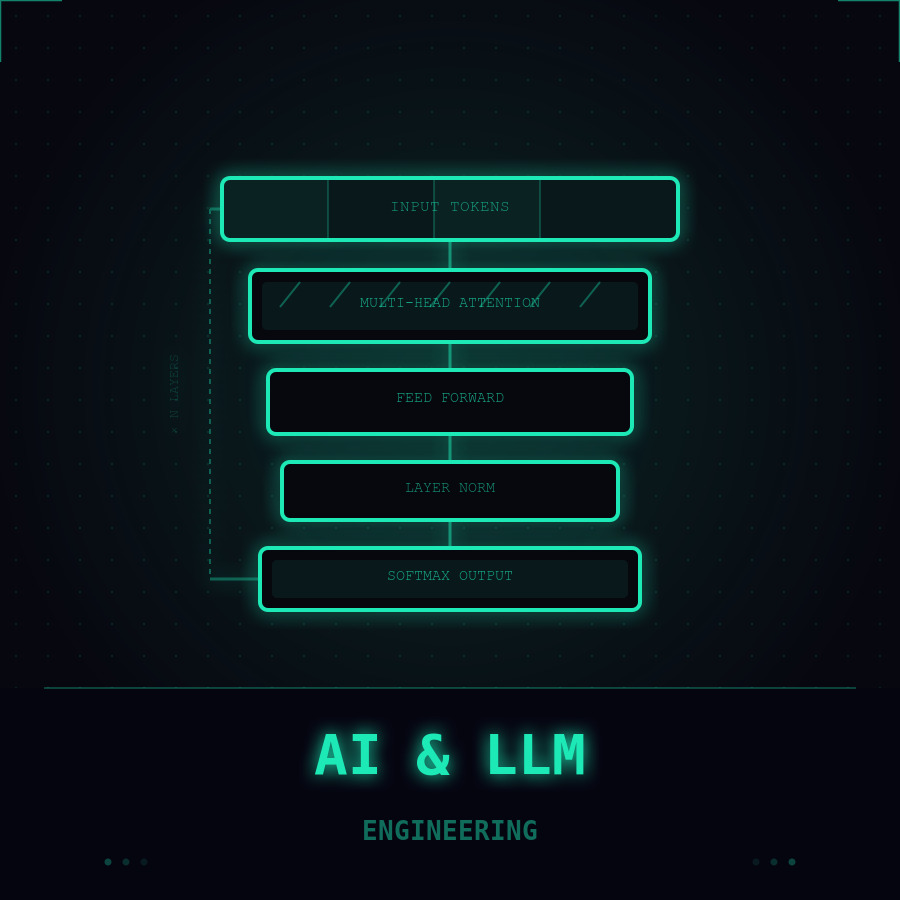
Building Support Chatbots That Know Product Boundaries is a focused Games Gokul guide for technology and gaming readers who care about playable ideas, durable software products, and strong search visibility.
This article covers answer scope, escalation, retrieval, safety language, and customer trust. The sections below translate that idea into practical choices for game teams, web app builders, and product owners preparing content for upload.
Why This Topic Matters Now
Building Support Chatbots That Know Product Boundaries matters because LLM features need measurement, guardrails, product boundaries, and clear handoff to human workflows. Covers answer scope, escalation, retrieval, safety language, and customer trust. For Games Gokul readers, the useful question is how this changes the next release, the next product page, and the next support decision.
The topic sits between gaming and software products: design choices shape user experience, while engineering choices affect performance, analytics, and discoverability.
- Turn the idea into one concrete user-facing decision instead of a broad talking point.
- Check the decision against user experience, software quality, platform support, and discoverability.
- Review the outcome after release using product analytics, community feedback, and support signals.
Audience and Product Context
The first step is to define the audience clearly. Software product teams adding LLM features, support automation, retrieval, and evaluation workflows need a small set of decisions they can repeat, measure, and explain to players or customers.
A good roadmap turns vague ambition into a release plan with clear scope, ownership, and feedback moments.
- Turn the idea into one concrete user-facing decision instead of a broad talking point.
- Check the decision against user experience, software quality, platform support, and discoverability.
- Review the outcome after release using product analytics, community feedback, and support signals.
Player and Customer Impact
For players and customers, the impact is practical. They notice clarity, speed, fairness, reliability, and whether the product respects their time.
For builders, the same topic affects backlog priority, platform support, QA depth, and how confidently the team can publish new updates.
- Turn the idea into one concrete user-facing decision instead of a broad talking point.
- Check the decision against user experience, software quality, platform support, and discoverability.
- Review the outcome after release using product analytics, community feedback, and support signals.
Engineering and Workflow Choices
The technical side should stay boring in the best way. Choose workflows that reduce manual steps, protect assets, and make the release process repeatable.
If the product spans the web, Android, iOS, Windows, Linux, or macOS, test it against real constraints rather than a single ideal environment.
- Turn the idea into one concrete user-facing decision instead of a broad talking point.
- Check the decision against user experience, software quality, platform support, and discoverability.
- Review the outcome after release using product analytics, community feedback, and support signals.
SEO and Discovery Signals
SEO also belongs in the plan. Search intent around LLM engineering, RAG systems, prompt evaluation, AI chatbot support should map to clear headings, focused metadata, descriptive image alt text, and useful internal links.
The strongest signal is content that answers a specific question while supporting the product page, blog page, and sitemap structure around it.
- Turn the idea into one concrete user-facing decision instead of a broad talking point.
- Check the decision against user experience, software quality, platform support, and discoverability.
- Review the outcome after release using product analytics, community feedback, and support signals.
Metrics and Common Mistakes
Measure what changes behavior. Useful indicators include answer quality, escalation rate, retrieval precision, prompt drift, and user satisfaction, plus the qualitative notes that explain why those numbers moved.
The common mistake is treating a demo prompt as a production system. Teams avoid it by writing down assumptions, testing smaller pieces, and making the next action visible.
- Turn the idea into one concrete user-facing decision instead of a broad talking point.
- Check the decision against user experience, software quality, platform support, and discoverability.
- Review the outcome after release using product analytics, community feedback, and support signals.
Execution Checklist
A lightweight execution checklist keeps the topic grounded: define the player promise, identify the riskiest assumption, test the smallest version, and document what changed.
Keep the user problem in view, but let product improvement matter more than keyword coverage.
- Turn the idea into one concrete user-facing decision instead of a broad talking point.
- Check the decision against user experience, software quality, platform support, and discoverability.
- Review the outcome after release using product analytics, community feedback, and support signals.
Final Takeaway for Builders
Building Support Chatbots That Know Product Boundaries rewards teams that combine creativity with operational discipline. It is not only about a feature, tool, or campaign; it is about building trust through repeated product decisions.
For Games Gokul, that means every blog, game, and software product can support the same promise: playful ideas, practical engineering, and clear user value.
- Turn the idea into one concrete user-facing decision instead of a broad talking point.
- Check the decision against user experience, software quality, platform support, and discoverability.
- Review the outcome after release using product analytics, community feedback, and support signals.
Conclusion
Bottom line: Building Support Chatbots That Know Product Boundaries becomes valuable when a team turns insight into release habits. Keep the user promise clear, keep the technical workflow simple, and let every update improve trust across games, cloud software, mobile apps, and product pages.